

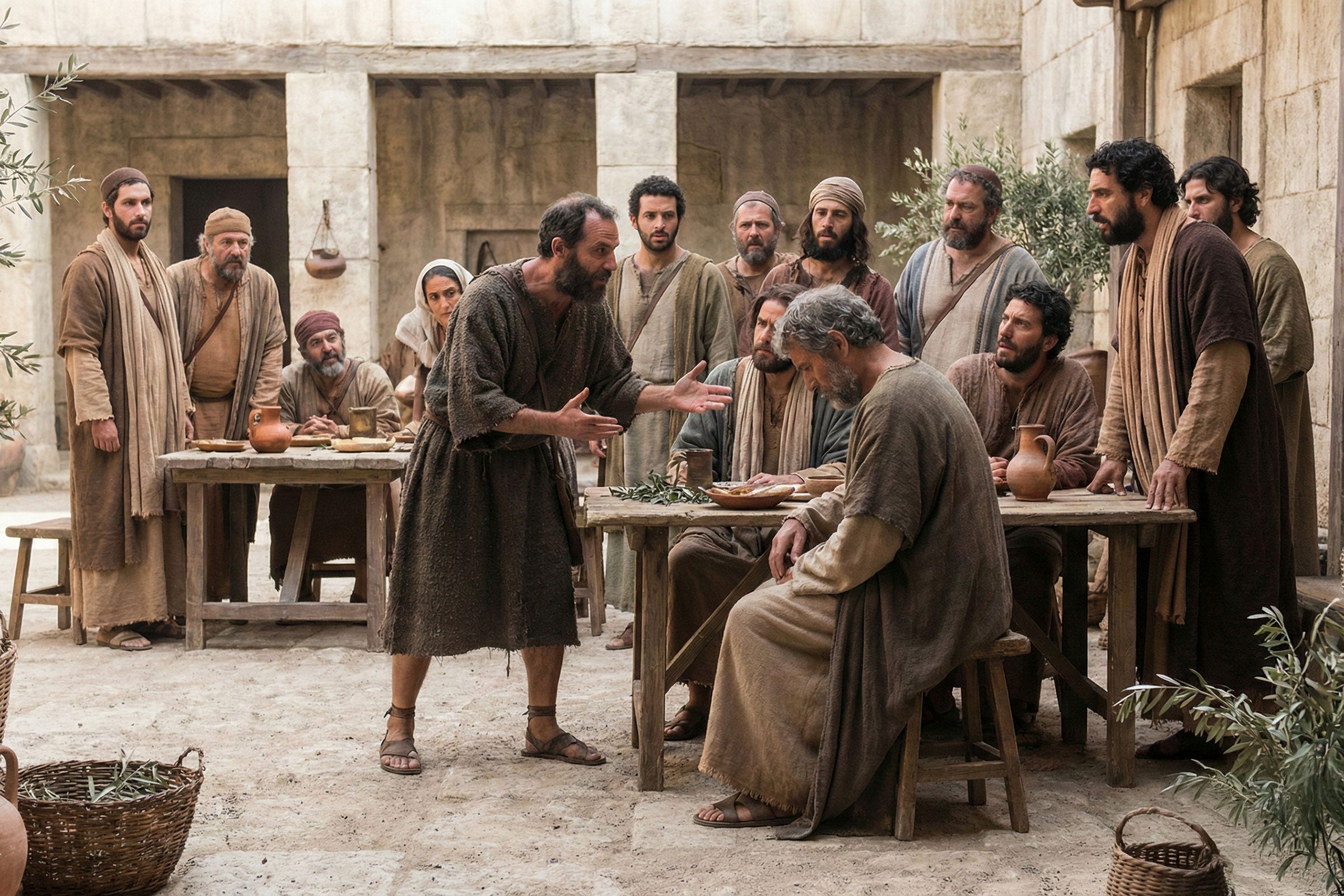
“Now when Peter had come to Antioch, I withstood him to his face, because he was to be blamed” (Galatians 2:11).
If you know me, you know I love questions. Not long ago, I found myself thinking about the fundamental importance of two questions that, when answered honestly, greatly influence our spiritual growth. I invite you to ponder these with me for a few minutes.
How do we handle our faithfulness? Perhaps you think this is a silly question, but faithfulness, like wealth, requires some know-how. Paul said, “I know how to get along with humble means, and I also know how to live in prosperity” (Philippians 4:12 NASB). If we know we’ve been faithful to the Lord, that knowledge tests us. As tests go, it’s a good one to have, but it’s still a test. Both financially and spiritually, good times have been the downfall of many. “Let him who thinks he stands take heed lest he fall” (1 Corinthians 10:12).
How do we handle our failures? If someone wanted to assess what kind of stuff you’re made of, a lot could be learned from your failures. Especially with moral failures, what did you do next? How did you handle those? I don’t hold myself up as an example (I have often “failed at failing”), but I do have some familiarity with failure. If a crisis is “a dangerous opportunity,” this one is dangerous indeed. It’s nothing less than an opportunity for the devil to destroy your soul.
However, when we handle failure as the Lord has taught us, the result is spiritual growth. When we’ve done wrong, we can’t undo it, but we can do what is right about the wrong, as the Corinthians did, to whom Paul said, “You showed that you have done everything necessary to make things right” (2 Corinthians 7:11 NLT).
I would love to know how Peter dealt with Paul’s public rebuke of his hypocrisy in Antioch (Galatians 2:11-14). That was not the first time Peter had acted hypocritically (Luke 22:31-34), but I like to think this dear man handled his shame in Antioch in the right way and ended up glorifying the God whom he had failed so terribly.
As you can see, I’ve said more about “failure” than about “faithfulness.” That’s because failure is more perilous, but in both cases, we must make up our minds to meet the test. Paul summed it up simply: “Be ready to serve God in good times and bad” (2 Timothy 4:2 NIrV).
“Bad things do happen; how I respond to them defines my character and the quality of my life” (Walter Anderson).
Gary Henry - WordPoints.com